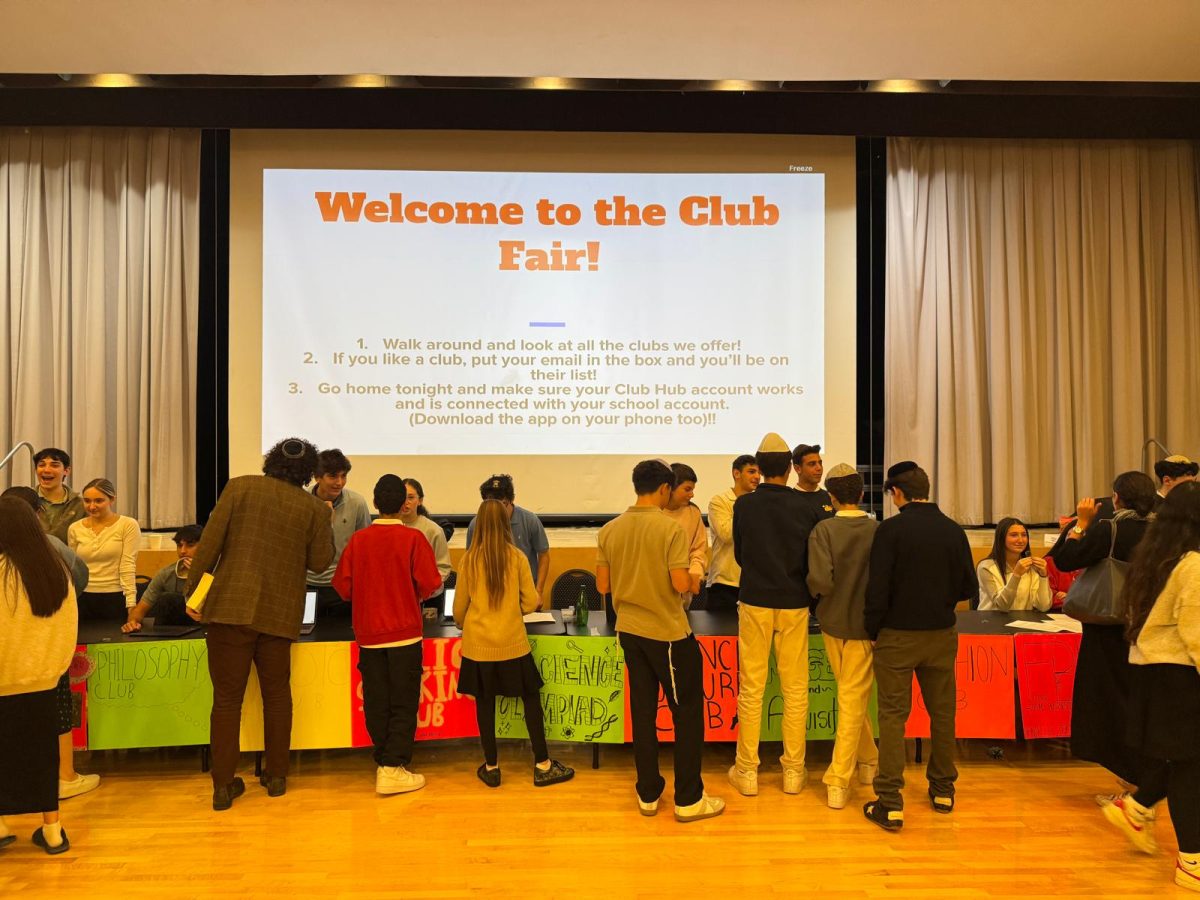
With 77 clubs now listed on ClubHub, Ramaz is taking a closer look at how its extracurricular program works. New requirements for starting a club, greater oversight, and an emphasis on broader student interests are reshaping how students create, join, and run clubs this year.
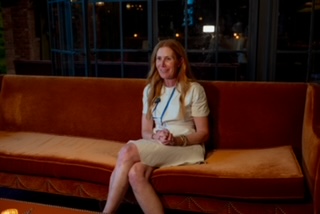
Samantha Milowitz, Associate Director of Admissions, is the newly appointed club coordinator charged with this task. She has already enacted several policies, requirements, and systems to streamline club creation, attendance, and efficiency.
Before taking on the position of club coordinator, no one was specifically responsible for managing the club system. This role used to fall to the student activities director; however, it was not that role’s main focus. As a result, Ramaz Upper School had approximately 150 clubs, many of which were inactive or met infrequently. Ms. Milowitz has been working to streamline the number of clubs.
Many clubs at Ramaz are very specific and interest-oriented, Ms. Milowitz said, adding that under the new system, certain clubs can be grouped into broader clubs with a wider frame of interest. For example, the dermatology club can be incorporated into the pre-med club.
The impact of this is broader clubs can create stronger communities by bringing together students with related interests, she said. Ultra-specific clubs have less overall interest, and it’s harder to find guests to bring in who will talk about their field. Having clubs that bring together many interests will lead to more activity within clubs and more student involvement.
The process for starting a new club has also changed. Students must now propose their club through ClubHub, have at least five interested members, and find a faculty advisor. New clubs cannot be started until November 1st, and Ms. Milowitz is encouraging freshmen to wait before proposing clubs of their own. There is no official maximum number of clubs.
For students aiming to start clubs this year, these new requirements have changed the process of turning an idea into an official club.
As a 10th-grade student starting the Arabic Club, Liat Rabbani ‘29 decided to create the club after students in her grade began advocating for an Arabic course last school year. Although Ramaz now offers an Arabic course, it is not available to her grade. Rabbani wanted to give students who are interested in learning about Arabic and Arab culture an opportunity to do so. To get the club approved, Rabbani reached out to students to see who would be interested and found a faculty advisor. After speaking with Mr. Theodore Cantor, a new English teacher, about her frustrations, he agreed to help supervise the club. She also mentioned that the policy that new clubs can’t be started until November 1st initially made her upset, and that she wanted to start her club earlier. Now, though, she is grateful for it. “The new rule gives me time to plan things out for my club and to figure out what I want to do with it,” Rabbani said.
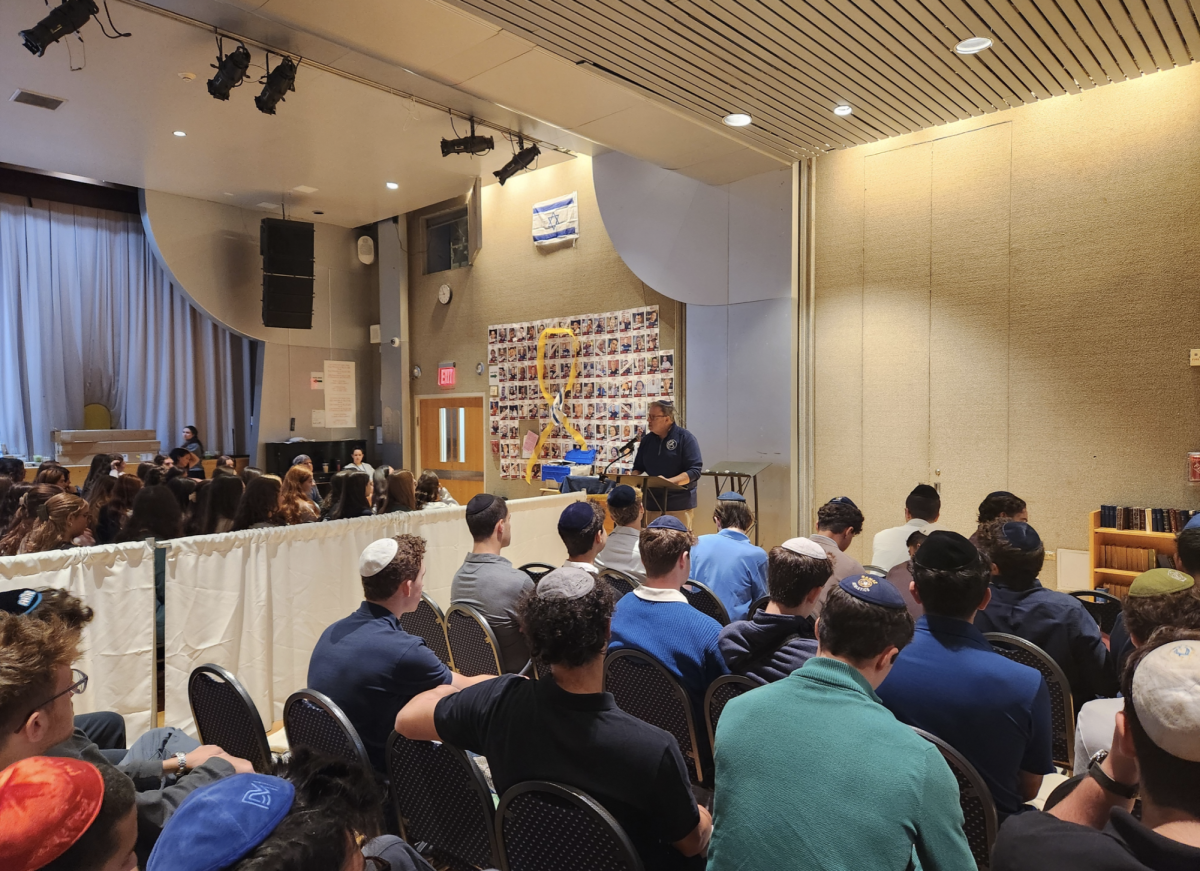
The Club Fair itself also changed this year. Clubs were required to fill out a form, renew their information on ClubHub, and have a faculty advisor in order to participate. Ms. Milowitz said the changes were partly necessary because the school’s auditorium could not comfortably accommodate the previous number of clubs. She also wanted to prevent freshmen from becoming overwhelmed by the number of options at the beginning of the school year.
For freshmen, the club fair provided their first introduction to Ramaz’s extracurricular opportunities. Morgan Abdan `29 said that while she enjoyed the fair, she initially found the number of clubs overwhelming and felt pressure to sign up. “I was being asked by many people to come check out their club… I left the club fair having signed up for 19 clubs,” Abdan said. Despite this, Abdan said that having so many options ultimately made her feel more comfortable at the school. “There truly is something for everyone,” she said.
There is now a greater emphasis on ClubHub as the central place for information about clubs. Clubs must regularly update their pages and log upcoming events, while moving away from using Schoology for club-related communication.
However, the goal of reorganizing the club system goes beyond simply reducing the number of clubs, Ms. Milowitz said. She wants students to use clubs to pursue their interests, build connections with other students, and create experiences that have an impact beyond school. She pointed to Ramaz’s Bridging Ages with Music, a club that has brought students to senior care facilities to perform for residents, as an example of the type of meaningful experience she hopes clubs can provide.
Moving forward, Ms. Milowitz hopes to make Ramaz’s club system more selective and meaningful while creating stronger connections between students and faculty. Rather than allowing students to create an unlimited number of highly specific clubs, she hopes the new system will encourage students to build clubs that are active, sustainable, and capable of leaving a lasting impact on the school community.